
Guarantee Global Clearance with ISPM-15 Certified Export Shipping Pallets
“Expedite your international trade with North India’s leading manufacturer of heat-treated, IPPC-stamped packaging—delivered to your location within 24 hours (typically within a 40 km radius).
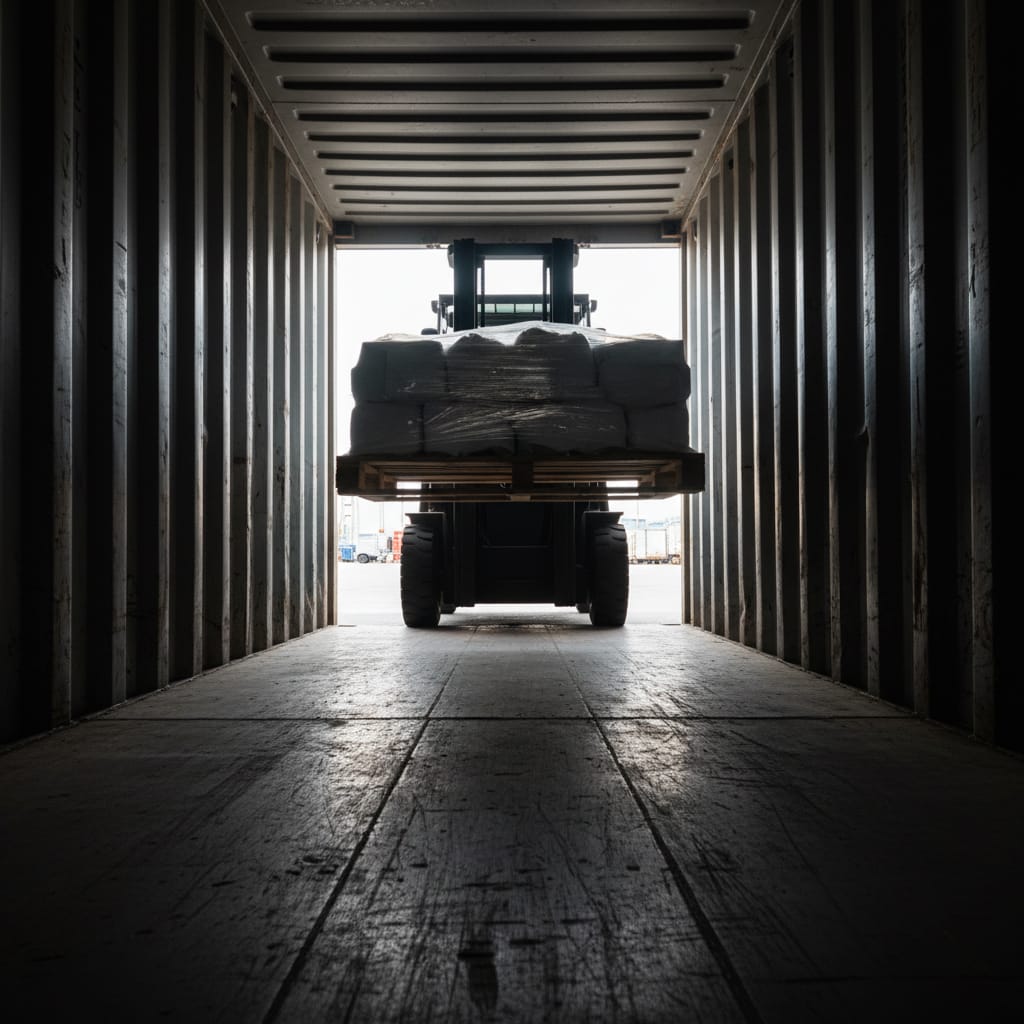
ISPM-15 Regulations Explained: A Guide for Indian Exporters
For an exporter, a "Held at Customs" notification is the ultimate supply chain nightmare. Ignoring strict international phytosanitary regulations results in rejected shipments, massive demurrage fines, and the potential blacklisting of your business.
Why Do Customs Reject Wood Pallets?
International port authorities routinely reject standard wooden pallets that show signs of bark or biological infestation. A single oversight in material selection can cause your entire consignment to be returned at your expense.
Documentation Failures
Using generic wood without the mandatory stamps or treatment certificates effectively halts your shipment at the border. Without verified fumigated or heat-treated documentation, your goods are legally barred from entering the EU or USA.
Container Space Wastage
Inaccurate pallet dimensions prevent optimal loading of standard shipping containers, forcing you to pay for shipping air. Using oversized bases that do not fit standard 20ft or 40ft container widths bleeds your profit margins.

Heat Treated vs. Fumigated Pallets: What’s Best for Global Trade?
We navigate the complex web of global regulations for you, ensuring every crate is an asset to your logistics, not a liability. Whether you need Euro-standard or US-spec designs, our packaging guarantees a green channel through customs.
Standard Export Pallet Sizes
We manufacture strictly to global norms, including Euro (1200×800) and ISO specifications, ensuring your goods are instantly stackable in international warehouses. Our precise sizing maximizes your container load efficiency.
The Heat Treatment Advantage
Our heat-treated lumber eliminates moisture and pests without using toxic chemicals, making it the preferred choice for eco-conscious markets. This process ensures the wood remains stable during long sea voyages.
Strict Hygiene Standards
For sensitive consumables, we offer clean, bark-free surfaces that meet sanitary export requirements. We ensure your packaging is accepted even in countries with the strictest biosecurity laws, like Australia.
Air Freight Optimization
For urgent air cargo, we engineer high-strength, lightweight solutions that significantly reduce gross weight. Cutting just a few kilograms per pallet saves you thousands in air freight charges.
Streamline Your Export Logistics Today
Destination Review. We verify the specific pallet standards for your target country.
Seamless Transition. We ensure goods move from your internal warehouse storage to export containers without repalletizing.
Space Saving. We can supply collapsible box options to reduce freight volume for returnable export loops.
View Recyclable Models
Stop Risking Customs Detention.
We provide full phytosanitary certification with every export order, guaranteed to meet port authority standards.
What is the difference between heat treatment and fumigation?
Heat Treatment (HT) and Methyl Bromide Fumigation (MB) are the two approved methods for ISPM-15 compliance, but they function differently. Heat treatment involves heating the wood core to 56°C for 30 minutes, effectively killing pests without using chemicals. It is permanent (as long as new wood isn’t added), environmentally friendly, and preferred by many industries, especially food and pharma. Fumigation involves using a gas to kill pests; while effective, it involves toxic chemicals and is being phased out in some regions due to environmental concerns. We primarily recommend and supply heat-treated pallets because they are universally accepted, safe for all cargo types, and do not leave chemical residues. This ensures your exports meet the sustainability and safety standards of strictly regulated markets like Europe and North America.
What are the standard pallet sizes for export to Europe?
The standard pallet size for export to Europe is the “Euro Pallet,” which measures 1200mm x 800mm. This size is standardized by the European Pallet Association (EPAL) and is designed to fit perfectly into European trucks and warehouse systems. Another common size is the 1200mm x 1000mm, often used in the UK. Using the correct dimension is vital because European supply chains are highly automated; incorrect sizes can cause rejection at the receiver’s warehouse. We manufacture export pallets that strictly adhere to these dimensional norms, ensuring seamless integration into your customer’s logistics chain. If you are shipping to the US, the standard is 48×40 inches (approx 1219x1016mm). We can guide you on the correct size based on your destination country to avoid costly supply chain friction.
Why do customs reject wooden pallets?
Customs reject wooden pallets primarily due to non-compliance with ISPM-15 regulations. If a pallet lacks a legible IPPC stamp, or if the stamp is incorrect, it is assumed to be untreated and a potential carrier of invasive pests. Additionally, pallets showing signs of living pests, significant bark presence (which is restricted), or mold can be rejected even if stamped. Physical damage that compromises safety can also be a cause. A rejection is expensive, leading to demurrage charges, repalletizing fees, or return freight costs. We mitigate this risk by ensuring strict quality control: verifiable heat treatment, clear and correct stamping, and debarked timber. Our export pallets are manufactured to be compliant assets, ensuring your shipment clears port inspections without issue.
How long is an ISPM-15 certificate valid?
Technically, the ISPM-15 stamp on the wood is the validity itself; it does not “expire” in the traditional sense. Once the wood is properly treated and stamped, the certification remains valid for the life of that piece of wood, provided it is not repaired with untreated timber. However, for each shipment, you typically need to provide a treatment certificate document that links the stamped pallets to your specific invoice or bill of lading. We provide these fresh certificates with every batch we deliver. It is important to note that if pallets are stored improperly and become re-infested, they lose their compliant status. We recommend using our certified pallets promptly and storing them in clean, dry conditions to maintain their export readiness.
Can I re-export a pallet that came from overseas?
You can theoretically re-export a pallet if it bears a valid, legible ISPM-15 stamp from its country of origin, as the stamp is globally recognized. However, this carries risk. You cannot verify the history of that pallet—whether it has been repaired with untreated wood or exposed to contamination since it arrived. If the stamp is faded or the wood is damaged, it will be rejected. For high-value exports, relying on used, third-party pallets is a gamble. We strongly recommend using newly manufactured or certified refurbished pallets from a trusted local supplier like us. This guarantees you have the correct paperwork and the physical quality assurance to prevent a small saving on pallets from causing a massive loss in logistics delays.

