
Optimize Racking ROI with Heavy-Duty Warehouse Storage Pallets
Maximize cube utilization with high-capacity, 4-way entry solutions engineered for North Indian logistics hubs and automated retrieval systems.
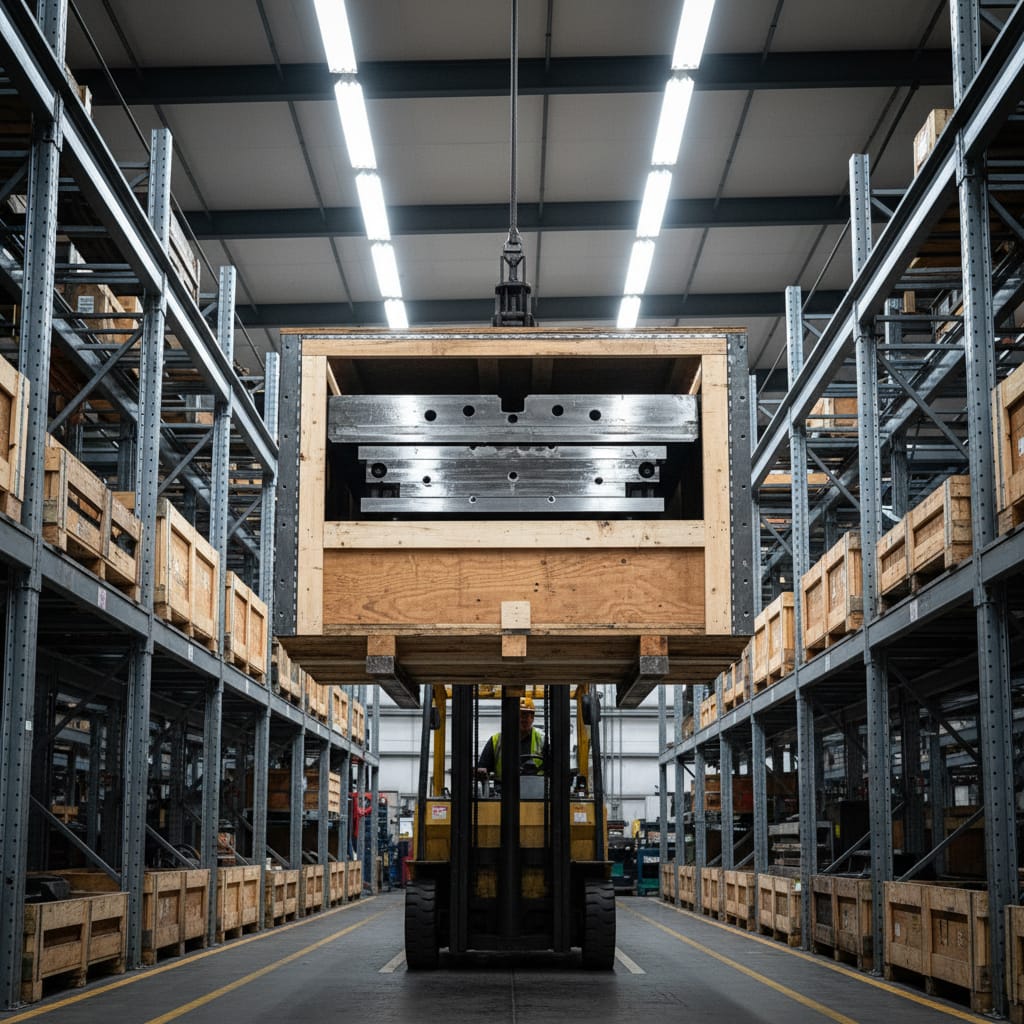
Choosing the Right Pallet for Heavy Duty Racking Systems
Selecting the wrong load-bearing specifications for your racking system is a financial time bomb. A single structural failure at height not only damages valuable inventory but endangers your workforce and halts warehouse operations.
Structural Failure Under Load
Generic wooden pallets often deflect or snap when placed on beams, lacking the necessary stiffness for high-bay storage. This structural weakness leads to product toppling and significant safety hazards.
Incompatible Dimensions
Packaging that does not seamlessly transition from internal storage to export shipping creates a logistical bottleneck. Repalletizing goods due to sizing errors wastes labor hours and increases handling costs.
Space Utilization Inefficiency
Poorly designed units that are not securely stackable prevent you from utilizing the full vertical volume of your facility. Wasted air space directly correlates to increased real estate costs per square foot.
Static vs. Dynamic vs. Racking Load: What’s the Difference?
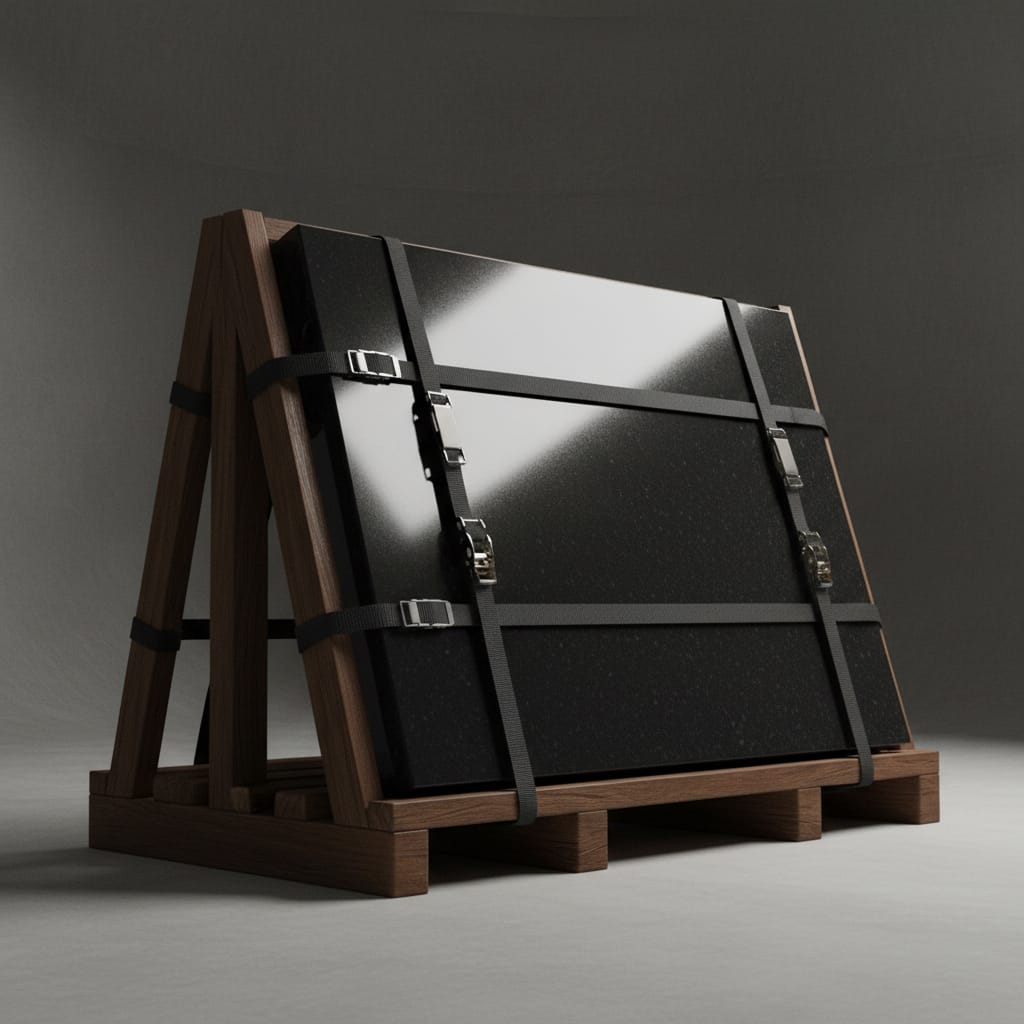
We engineer our pallets based on precise load calculations: Static (floor), Dynamic (forklift), and Racking (beam). Understanding these distinctions ensures you invest in assets that withstand your specific operational stresses.
2-Way vs. 4-Way Entry Pallets
We design 4-way stringer pallets to allow forklift entry from all sides, drastically improving maneuverability in tight aisles. For awkward machinery, we build oversized bases that stabilize uneven loads.
Extended Lifespan Materials
Our units are constructed from heat-treated high-grade lumber that resists warping and splitting over years of reuse. This durability reduces your replacement frequency and lowers the total cost of ownership.
Hygiene and Safety
We can apply sanitary-safe finishes to storage pallets, ensuring they are safe for warehousing consumables. This versatility allows you to use the same fleet for raw material storage and finished goods.
Manual Handling Efficiency
Despite their strength, our designs utilize specific wood density to remain relatively lightweight for easier manual handling. This reduces worker fatigue and increases speed on the loading dock.
Genuine people. The Wooden Boxes were strong and neat. Our shipment went a long distance without any damage. The owner is very polite and helpful.
Manish Aggarwal
General Supply
Very fast service. I called them for an urgent requirement and got the material the next day. The Pallet Crate is strong and well built.
H.S. Grewal
Transportation Equipment
Bought standard GMA Pallets from them. Strong wood quality. We use them roughly at the site and they are still in good condition. Highly recommended.
Dinesh S.
Building Materials
Clean finishing on the Wooden Crates. There were no rough nails or sharp edges coming out, so our product remained safe from scratches. Good service by the team.
Rahul V.
Appliance
These Pallet Boxes are very sturdy. We used them for heavy storage and they held up well even after rough use. Delivery was fast which helped us a lot during the busy season.
Gurdeep C.
Agricultural
Good quality Block Pallets. We stack them high in the warehouse and they are very stable. Pricing is also better than the market rates. Reliable supplier for bulk orders.
Praveen L.
Warehouse & Storage
How to Extend the Lifespan of Your Warehouse Pallet Fleet
Load Analysis. We determine your maximum racking load requirements.
Durable Construction. We manufacture using fumigated timber to prevent rot during long-term storage.
Space Saving Delivery. We offer collapsible crate options to minimize storage footprints when not in use.
View Sustainable Models
Stop Wasting Vertical Space.
We guarantee our load ratings are accurate and will replace any unit that fails under the specified weight limit.
What is the difference between static and racking load?
Understanding the difference between static and racking load is critical for safety. ‘Static Load’ refers to the maximum weight a pallet can hold when resting on a solid, flat floor. This is always the highest rating. ‘Racking Load’ is the maximum weight the pallet can support when placed in a beam rack, where it is supported only by its edges. This rating is significantly lower (often 50% less) than the static rating because the pallet must bridge the gap without breaking or bending excessively. Using a static rating for a racking application is a dangerous mistake that leads to collapse. We design our warehouse pallets specifically for your racking load requirements, ensuring they have the structural stiffness to span the beams safely.
How long do warehouse pallets last?
The lifespan of a warehouse pallet depends heavily on the material quality and handling practices. A cheap, softwood disposable pallet might last only a few trips. However, our heavy-duty warehouse pallets are built from dense hardwood or high-quality pine and are designed to last for years of repeated use (often 3-5 years or more). We use robust fasteners and reinforced lead boards to resist forklift impact damage. To extend lifespan, we recommend regular inspections and simple repairs. Investing in a durable, high-quality pallet initially reduces your long-term cost of ownership by eliminating the need for constant replacements. Our pallets are assets, not consumables.
Why use 4-way entry pallets in a warehouse?
4-way entry pallets are essential for maximizing warehouse efficiency. Unlike 2-way pallets (stringer pallets) which can only be lifted from two sides, 4-way pallets (block pallets) allow a forklift to enter from any of the four sides. This flexibility is a game-changer in tight warehouse aisles, allowing operators to maneuver and place loads without having to rotate the pallet. It also enables more versatile loading patterns in trucks and containers. For automated warehouses and complex racking systems, 4-way entry is often a mandatory requirement. By facilitating easier access, 4-way pallets speed up your put-away and retrieval times, directly improving your operational throughput.
Can I repair my warehouse pallets?
Yes, our wooden warehouse pallets are designed to be repairable. Unlike plastic pallets, which must be melted down when cracked, a broken board or block on a wooden pallet can be replaced individually. We can supply you with spare components, or you can use local carpentry services to maintain your fleet. This reparability is a major economic and environmental advantage of wood. A pallet with a broken deck board is not trash; it’s a 5-minute repair job. By maintaining your pallet fleet, you can extend the service life of your assets significantly, keeping your cost-per-use extremely low. We advocate for a repair-and-reuse culture to maximize your warehouse ROI.
How do I determine the right pallet for my racks?
Determining the right pallet requires an audit of your racking system and load characteristics. We need to know the beam span (distance between supports), the maximum weight of your load, and the type of load (solid box, drums, bags, etc.). A pallet holding rigid boxes behaves differently than one holding flexible bags. We also consider the type of forklift equipment used. Based on this data, we engineer a pallet with the correct timber thickness, stringer configuration, and bottom deck coverage. We don’t guess; we calculate. Contact us for a warehouse audit, and we will specify the exact pallet design that guarantees safety and compatibility with your infrastructure.

